2026-09-23 · AI
Choosing Weatherproof Deadbolts For Fairbanks Properties
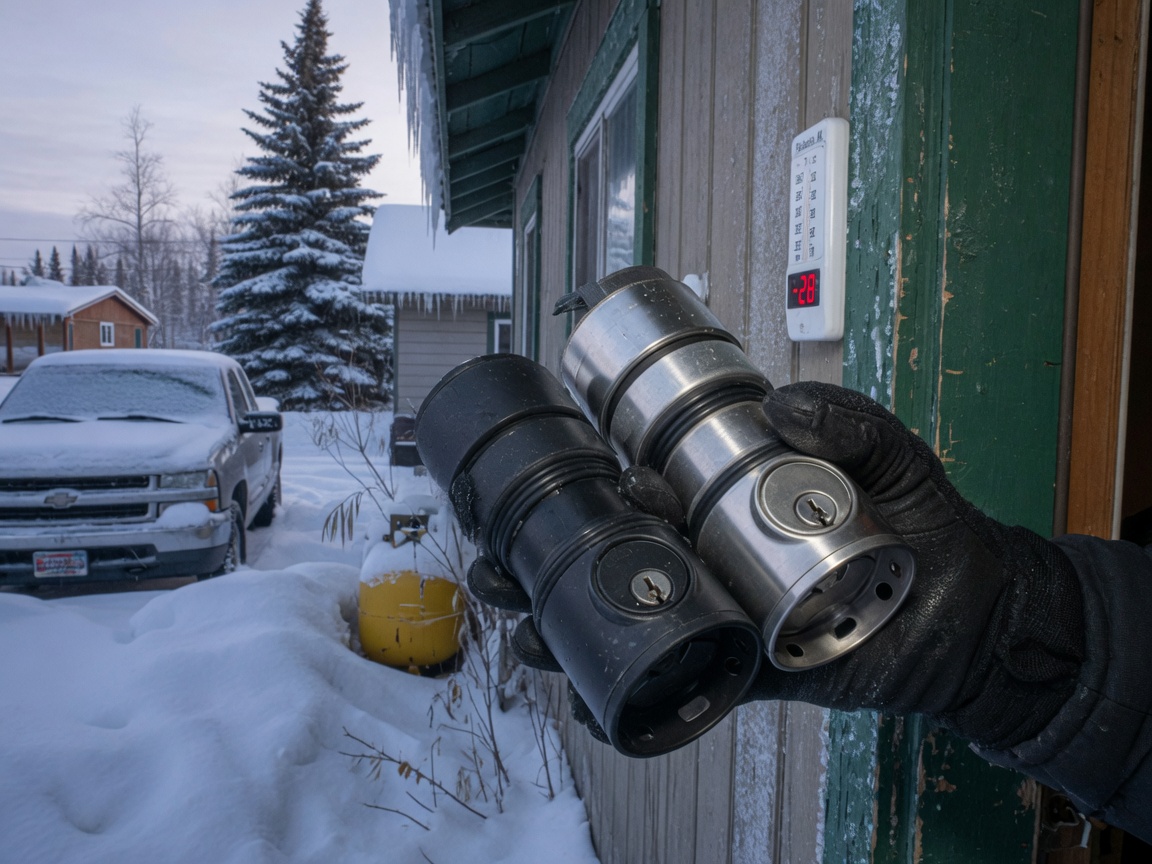
In Fairbanks properties, weatherproof deadbolts with stainless steel cores and sealed cylinders provide reliable operation for 10–15 years when installed on exterior doors exposed to subarctic temperatures that drop below -40°F.
Understanding Subarctic Climate Impacts on Locks
Fairbanks North Star Borough experiences long winters with repeated freeze-thaw cycles along the Chena River that force moisture into standard lock mechanisms. Homes in Downtown and South Fairbanks often feature older wooden doors from the mid-20th century that expand and contract, stressing deadbolt strikes. University of Alaska Fairbanks campus buildings and nearby residences in North Pole show accelerated corrosion on non-sealed brass components after just three seasons. These conditions make standard residential deadbolts fail within 5–7 years as ice forms inside the cylinder and prevents key rotation. Proper selection starts with evaluating door exposure to prevailing winds off the river and Pioneer Park area terrain that traps drifting snow against entryways.
Essential Features for Weatherproof Deadbolts
Choose deadbolts with stainless steel bolts at least 1 inch long and throw lengths of 1 inch minimum to resist forced entry during ice buildup. Look for models rated for -50°F operation with rubber gaskets that block moisture at the cylinder face. In local housing stock around the Chena River, double-cylinder deadbolts with protective collars perform better than single-cylinder versions because they limit ice accumulation on the interior side. Avoid zinc alloy internals that crack under contraction; instead select solid brass or steel cores finished with powder coating. These specifications directly address the short summers that leave little time for maintenance before the next freeze arrives.
Installation Practices for Fairbanks Homes
Mount weatherproof deadbolts with the cylinder angled slightly downward in South Fairbanks properties to shed melting snow away from the keyway. Reinforce strike plates with 3-inch screws into the door frame studs common in Fairbanks North Star Borough construction. On older homes near Pioneer Park, shim the deadbolt housing to account for warped door edges caused by decades of humidity swings. Test the full throw after installation by simulating ice with compressed air to confirm smooth operation. Residents in North Pole often benefit from adding a weather strip around the door frame that reduces wind-driven moisture reaching the lock. Learn how to thaw a frozen lock without damage when winter conditions still overwhelm even well-chosen hardware.
Maintenance and Long-Term Performance
Apply graphite-based lubricant every six months to the cylinder and bolt rather than petroleum products that thicken in extreme cold. Inspect the deadbolt faceplate quarterly for seal integrity, especially on homes along the Chena River where river fog increases humidity. In Downtown Fairbanks, where foot traffic and plowed snow raise impact risks, replace any bent strike plates immediately. Track performance by noting any increase in key resistance during the first freeze of October. When a deadbolt reaches 12 years, schedule a full evaluation rather than waiting for failure during a cold snap. Review average costs to rekey locks for a Fairbanks home if multiple entry points need updating to maintain consistent security.
Common Pitfalls to Avoid in Local Conditions
Do not install lightweight imported deadbolts marketed for mild climates, as their plastic internals shatter below -20°F in Fairbanks North Star Borough winters. Skip electronic keypad models without explicit subarctic ratings, since battery compartments collect condensation and fail within two seasons near the University of Alaska Fairbanks. Never drill additional holes in historic doors around Pioneer Park without checking for hidden rot that weakens the surrounding wood. These errors lead to emergency calls when locks seize during the first major cold front. Focus instead on proven mechanical designs that local operators have tested through multiple winters.